Professional Experience:
Portland Veteran's Affairs Medical Center
- Healthy Teaching Kitchen: Collaborated with Nutrition and Food Services and Health Promotion Disease Prevention to receive funding to initiate a healthy teaching kitchen. Aided in implementation of Heathy Teaching Kitchen to provide hands on interactive cooking classes. Produced training modules, documentation templates, mobile kitchen needs, class development, and ensured proper certification was attained by class instructors.
- General Medicine: Aided in the calculations and alterations of Veterans on two medical teams. Monitored nutritional status using weight, nutrition focused physical exam, and patient/family interviews.
- Nutrition Support: Monitored and calculated Veterans who were on parenteral or enteral nutrition. Revised Nutrition Support Manual for VISN 20 providing clinicians a reference to evidence-based procedures, protocols, and recommendations for safe administration of nutrition support.
- Diabetes: Researched and created protocol for insulin regimen for inpatient Veterans who are on or not on nutrition support. Creation of carbohydrates in holiday meal for Veterans with diabetes to reference throughout the holidays.
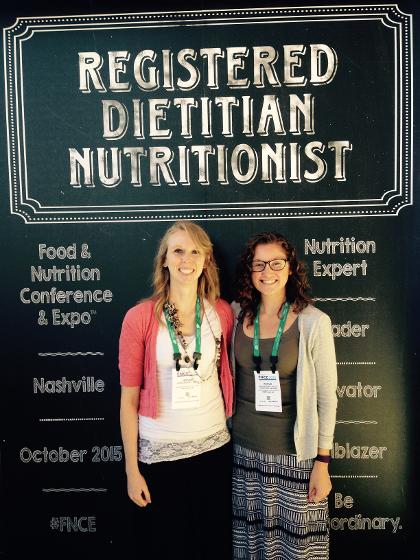
Dietetic Internship Experience
- Medicine: My first rotation in clinicals was general medicine. During this rotation I was able to see patients with diabetes, chronic kidney disease, bariatric surger, cardiovascular disease, and tube feeding needs. In order to be successful in this rotation I had to be able to educate a population that was ill and for the most part very motivated to make nutritional behavior changes. The following are chart notes that I composed on three patients. The first is a patient who had a history of bariatric disease and had a large list of allergies. The second is a patient who had colon cancer with a colostomy bag, during the patients stay a tube feeding regimend was required due to low intakes. The last one is a patient who had very specific food preferences in which a good knowledge of the options available and how to create a menu on the programs so that the patient would be satisfied with the food brought to eat.

|
Allergies.pdf Size : 115.682 Kb Type : pdf |
|
|
Food Preferences.pdf Size : 94.119 Kb Type : pdf |
|
|
Tube Feeding.pdf Size : 91.341 Kb Type : pdf |
- Geriatrics: My second rotation in clinicals, I had the opportunity to work in a geriatrics facility with a population who was somewhere between hospital and nursing home. This was a great experience with a population who was at higher nutritional risk than the general adult population. During this rotation I had the opportunity to work with patients with morbid obesity, severe malnutrition due to end stage liver disease, terminal patients, and multiple different types of cancer patients. Through this rotation I learned how to communicate, educate, and empower a population that often can be highly stigmatized.
- Diabetes: My third rotation I was able to learn and soon educate patients on what is diabetes, diabetic diet, insulin regimens (sliding scale inusin, long versus short acting, and insulin pumps), as well as carbohydrate counting and balancing carbohydrates. This rotation allowed me to see the technical aspects of dealing with diabetes. I became comfortable educating, and motivating patients to make major life changes. I created an informational sheet that could be given to patients for ideas on snacks that would be balanced and nutritious when hungry and living with diabetes.
- Pediatrics: My fourth rotation I participated in feeding clinic for children from the ages of birth to 18 years old. This rotation was a great experience in applying motivational interviewing and asking probing questions. Each patient was very different in the reason for their referral. I learned to expect the unexpected and be able to look at a problem from a variety of perspectives. Along with counseling patients I also had the opportunity to create a training module for employees at the facility. This module teaches how to take anthropometrics in a diverse population (disabled, developmentally delayed, and behaviorally difficult). Below is an example of what information is on this training module.
|
|
Anthropometrics Power Point.pdf Size : 1210.739 Kb Type : pdf |
- Surgery: During my rotation in surgery I had the opportunity to work with patients who were healing. It was a great experience learning how to increase nutrient intakes when nausea and lack of appetite can also be a major issue. Along with working with this population I had the opportunity to observe a j-tube placement, colonoscopy, and endoscopy surgeries. Observing these surgeries gave me a new outlook on what these patients bodies have been through, not just the after affects of surgery. Below is a project I worked on that looked at the effects of pateints chewing gum and ileus.
|
|
Chewing Gum and Ileus.pdf Size : 188.198 Kb Type : pdf |
- Renal: For my renal rotaiton I was able to intern in an inpatient dialysis unit. Through this rotation I learned an immense amount of information on pre-dialysis and dialysis diets, different modes of dialysis, challenges that patients go through, and medication regimens. Being an intern in this unit allowed me to get to know and understand a population of patients who live under very restrictive regimens. While I learned a ton about renal diets and medical nutrition treatment, there is still much more I could learn from this disease and the patients with end stage renal disease. Below is an example of a note I wrote for one of the patients in the unit.
|
|
Renal Nutrition Note.pdf Size : 92.014 Kb Type : pdf |
- Critical Care: The intensive care unit is a complex department with multiple componenets to consider when treating patients. Through this rotation I had the ability to hone my skills calculating parenteral and enteral nutrition orders. Along with calculating parenteral nutrition orders I had the opportunity to see the preparation and delivery. This rotation showed me the importance of continuing education and gave me the exposure to nutrition management of critically ill patients. Below is an example of a note I wrote for parenteral feedings. Also I have a survey that was sent out the the nursing staff in the ICU asking them about their enteral feeding practices so that dietitians and other health professionals would understand what is going on at the patients bedside.
|
|
Critical Care Note.pdf Size : 93.372 Kb Type : pdf |
|
|
Critical Care Nursing Survey.pdf Size : 63.735 Kb Type : pdf |
- Primary Care: For my primary care rotation I had the opportunity to work in home based care with two dietitians. This experience was unique in the fact that I was able to go into people’s home and help them figure out how to adjust their diet individually. Going into people’s homes was a great experience because you were able to see what their living conditions were like, what type of foods they really eat, and help them adjusts the foods they have already bought to work for their lifestyle change. Below is an example of a home visit that I participated in for diabetes and weight loss education. While the other handout is a policy for the dietitians to follow for protein requirements for end stage liver disease.
|
|
Primary Care Nutrition Assessment.pdf Size : 104.801 Kb Type : pdf |
|
|
Protein Protocol in ESLD.pdf Size : 210.256 Kb Type : pdf |
